
Childhood Cancer: Key Information
Childhood cancer refers to cancers that occur in children and adolescents. While less common than adult cancers, they remain a serious health concern. Childhood cancers differ from adult cancers in both type and behaviour, and they often develop quickly. Early detection and timely medical care are essential to improve outcomes and survival rates.
-
Occurs in children and adolescents
-
Different from adult cancers in type and progression
-
Often develops quickly
-
Early diagnosis is critical for successful treatmen
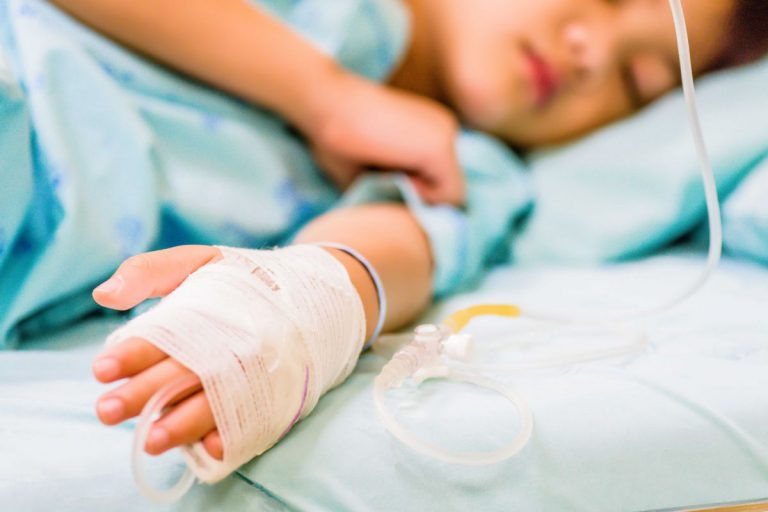
Childhood Cancer: Key Information
Childhood cancer refers to cancers that occur in children and adolescents. While less common than adult cancers, they remain a serious health concern. Childhood cancers differ from adult cancers in both type and behaviour, and they often develop quickly. Early detection and timely medical care are essential to improve outcomes and survival rates.
-
Occurs in children and adolescents
-
Different from adult cancers in type and progression
-
Often develops quickly
-
Early diagnosis is critical for successful treatmen
Signs and Symptoms
Types of Childhood Cancer
Symptoms of childhood cancer can be difficult to recognise, as they often resemble common childhood illnesses. However, persistent or unusual symptoms should never be ignored.
• Unexplained lump or swelling anywhere in the body
• Persistent abdominal pain or swelling
• Frequent or unexplained bruising or bleeding
• Ongoing headaches or unexplained seizures
• Persistent fever, fatigue, or infections
• Unexplained weight loss
• Bone or back pain that does not go away
• Changes in behaviour or balance
• Unusual eye appearance or reflection
• Blood in urine or difficulty urinating
The types of cancers that develop in children are different from those in adults. Some forms are more common and require specialised treatment approaches.
• Leukemia (blood and bone marrow cancer)
• Brain and spinal cord tumours
• Neuroblastoma
• Wilms tumour (kidney cancer)
• Lymphoma (Hodgkin and non-Hodgkin)
• Rhabdomyosarcoma (soft tissue cancer)
• Retinoblastoma (eye cancer)
• Bone cancers (osteosarcoma and Ewing sarcoma)


Why Early Detection Matters
Diagnosis
Because childhood cancers can develop rapidly, early detection is crucial. Prompt diagnosis allows for earlier treatment, which significantly improves outcomes and survival chances.
• Early-stage cancers are more treatable
• Delayed diagnosis can allow cancer to spread
• Early intervention improves survival rates
Diagnosing childhood cancer involves a combination of clinical evaluation and specialised tests. Early referral to a specialist is often necessary when symptoms persist.
• Medical examination and symptom review
• Blood tests
• Imaging (X-rays, CT scans, MRI)
• Biopsy to confirm diagnosis
Treatment
Support for Children and Families
Treatment for childhood cancer depends on the type and stage of the disease. Children often respond well to treatment when diagnosed early.
• Chemotherapy
• Surgery
• Radiation therapy
• Specialised paediatric oncology care
A cancer diagnosis affects not only the child but also the entire family. Emotional, psychological, and practical support are essential throughout the treatment journey.
• Psychosocial support for children and parents
• Guidance through treatment and recovery
• Access to specialised care facilities (such as CHICA House)
• Ongoing support programmes

Contact Us
CAN Head Office
90 John Meinert Street
Windhoek West, Namibia
Phone: +264 61 237 740
National Line Switchboard: +264 81 953 7740
Menu
Cancer Information
Support and Services
Get Involved
Research and Impact
News and Stories
Contact Us
Donate
CAN Erongo Centre
3 Ferdinand Stich Street
Swakopmund, Namibia
National Line: +264 81 953 7740 Option #7
Contact Us
Palliative Care Namibia
House Zietsman Windhoek
3 Jan Jonker Road, Klein Windhoek
National Line: +264 81 953 7740 • Option #2
House Johannesson Swakopmund
3 Ferdinand Stich Street
National Line: +264 81 953 7740 • Option #7
Contact Us
CAN Erongo Centre
3 Ferdinand Stich Street
Swakopmund, Namibia
National Line: +264 81 953 7740 Option #7
